Asmik Grigorian and Irena Milkevičūtė – a Conversation Across Decades
By Sigita Ivaškaitė
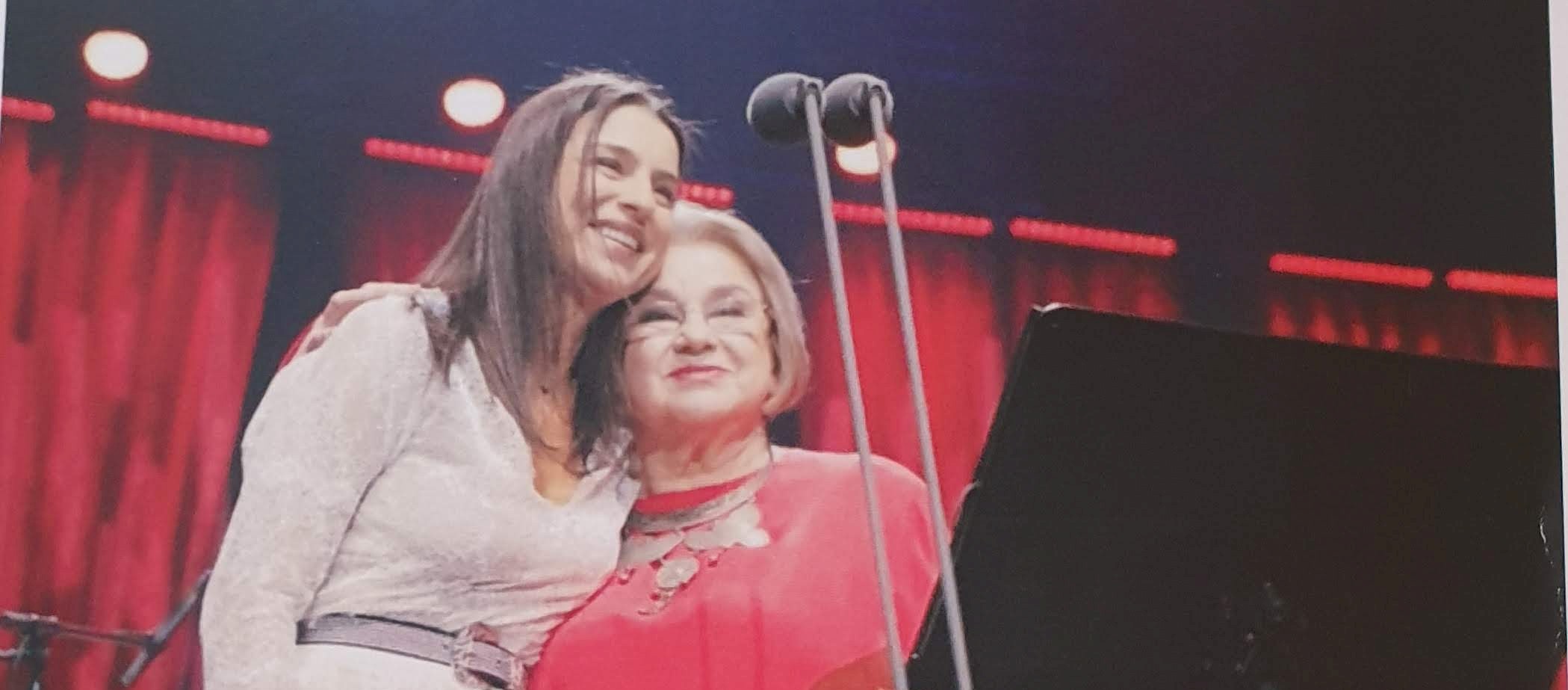
A mother and daughter who first conquered the hearts of their entire generation: Irena Milkevičūtė and Asmik Grigorian now enter a new stage of their journey, one that unites their experiences on and off stage. Irena and Asmik (whom her mother calls Asta) share an exceptionally close bond, though they often maintain it mostly through phone calls and only occasionally through in-person meetings. From being the child of celebrated opera soloists waiting in dressing rooms, to becoming one of the most acclaimed opera singers in the world, Asmik has lived a truly unique life.
This continues today, as she prepares for her upcoming debut in the role of Norma. The opera Norma, which will premiere in Vienna in February, connects the personal and professional sides of her life, since the first Norma ever sung in Lithuania was performed by Irena. Her Norma became legendary, and Asmik was always part of that legacy - she even used to step onto the stage alongside her mother back then. Because of so many coincidences, parallels, and shared experiences, preparing for this role has awakened unexpected echoes of the past for Asmik.
Somewhere between past and future, guided by the deep emotional bond of two opera prima donnas, we spoke with mother and daughter as they reflected on their lives and careers across different stages of time.
Is it true that your personal and creative bond runs so deep, Asmik was “on stage” even before she was born?
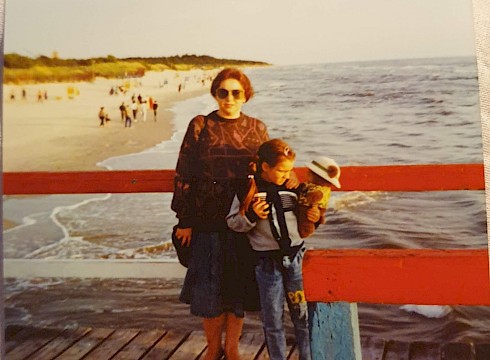
Irena Milkevičūtė: Yes, I was still performing while pregnant, and later Astutė was my “child on stage” in Madama Butterfly and Norma. Of course, when I was singing, someone always made sure I didn’t worry and that the baby was safe. When we were together on stage back then, there was no artistic tension yet, since she wasn’t performing. What I felt was more maternal concern - the sets were big and high, and my greatest fear was that my child might fall, trip over something, or get hurt.
Later, we stepped on stage together in Norma, this time actually singing. Asta and I performed duets from the opera at a concert she organized for my anniversary. At first, when we sang together, I used to worry about both of us. But later, for example, when we performed together in Eugene Onegin, I started worrying more about myself - that I wouldn’t mess something up! In The Queen of Spades too, I was nervous about making a mistake and ruining something. (smiles)
Asmik Grigorian: Of course, I don’t have conscious memories from before I was born, but the body definitely remembers. There are a few operas that affect me in a particularly deep way. One of them is La Traviata - from the very first chords, I start to feel almost like I’m having a panic attack, this strange, inexplicable sensation. My mother told me she sang Traviata and Butterfly most often when she was pregnant. With Butterfly, I’ve since built my own relationship, since I’ve performed the role many times myself. But earlier, if I wanted to cry, I would just put on a recording of Butterfly and cry through the whole opera (laughs). I remember my mother once told me that when she was nine months pregnant, she went to listen to an opera performance, but I started kicking so hard inside her that she had to leave the theater.
I have very vivid memories of being on stage with my mother during Butterfly and Norma. In Butterfly, I had to shout “mama,” but all I wanted to do was cry - I felt so sorry for her on stage, I still clearly remember kneeling with her and feeling this overwhelming pity. And in Norma, my strongest memory is of my mother holding a knife - it was almost frightening to me as a child. But the body keeps its own memory: now, as I prepare for Norma and begin studying the score, this music immediately triggers very deep, very powerful emotions - both when I sing it and when I listen to it.
Was it difficult to let your daughter choose such a demanding artistic path?
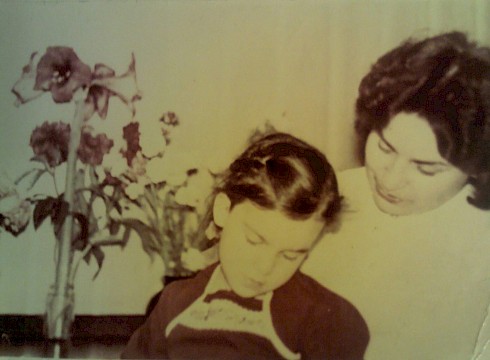
Irena Milkevičūtė: I sent her to study music when she was five because I knew how important a solid musical education is for a singer. I myself lacked that early foundation - I only started studying music seriously at fourteen, even though I’d wanted to be a singer since childhood, and I know it would have been much easier if I had started earlier. I think for a child with a natural gift for singing, it’s far more important to first gain musical foundations than to immediately start training the voice. Let the child express themselves naturally through their voice, but give them the knowledge that later allows them to sing freely.
Astutė was always very expressive vocally, while her brother, though he also studied music and played the oboe, was more of a listener. She, on the other hand, was very active - even as a child, from our many recordings at home, she would always pick La Traviata and dance to it with her friend.
I enrolled her in piano studies thinking she would eventually sing. But of course, she ran away from class - the discipline at the M. K. Čiurlionis School of Arts is not easy for someone so expressive to handle. Still, those nine years there gave her a lot. After finishing school, she applied to the Lithuanian Academy of Music and Theatre, and because she was so young, they accepted her into the preparatory program instead of the first year. I immediately took her into my own class, because others were hesitant - she was Grigorian, Milkevičūtė’s daughter, after all. But even then, she auditioned with Lucia’s aria, and by the time she entered the first year, she auditioned with Tosca (laughs). Of course, it wasn’t easy working together, but she had absorbed her first lessons already in the womb, during all those performances, and often understood me with just half a word. She had an innate operatic instinct.
Why do you think Asmik has chosen to dedicate Norma to you? After all, you’ve sung so many other roles.
Irena Milkevičūtė: When she sang Butterfly, she told me: “I was you.” And I really felt that. But Norma… I was the first to sing the role in Lithuania, and I also had the chance to perform it abroad. I feel that Asta’s musical journey is so similar to mine: Violetta, Senta, Lady Macbeth, Turandot, Butterfly, and now Norma. When I heard she was preparing this role, I thought about it a lot, but after hearing how she mastered Lady Macbeth’s coloraturas and Turandot’s highest notes, I realized everything would be fine here too. She now knows perfectly well what suits her and what doesn’t. It will be fascinating to hear her. My perception of sound is one thing; we’ll see how it turns out for her. But I know it will be wonderful, because she’s not just a singer - she’s a true musician.
Asmik Grigorian: Roles have their own timing, and many things naturally align similarly to how they did for my mother. You can’t sing Butterfly or Norma when you’re twenty.
Why do I dedicate Norma specifically to my mother? That’s a good question. It’s one of the three great operas of my childhood memories. Violetta tormented me deeply, and I still dream of performing one final Traviata someday, because I’ve never yet managed to do it exactly as I want. Butterfly has always been about my mother, but my father was there too - for me, it’s a memory of both of them and their presence in my life. I’ve always felt that opera belongs to both of them. But Norma, though my father also sang in it, I don’t remember them ever performing it together. For me, it belongs only to my mother, and I believe she was one of the greatest Normas in history. And of course, there are also those unforgettable impressions from my childhood, being on stage with her.
Irena Milkevičūtė: Norma premiered for me in Lithuania, and later I took it to Latvia, Poland, Spain, and Germany. Abroad, the only opera I’ve sung more times than Norma is probably Nabucco.
The Lithuanian production ran for a long time, and it was a real celebration for me. Bellini’s bel canto is a world of its own. The orchestra in Norma mainly accompanies - the entire weight falls on the soloist, who must reveal the character and personality entirely through the voice. It’s not just beautiful singing; it requires the highest level of technique. Norma’s aria is like a prayer, asking for peace and patience. If you deliver it as the composer intended, the audience cannot remain indifferent.
I love these heroic roles - Norma is a priestess, a leader, and a beloved woman. I admired how Maria Callas performed the role - her energy, her expression. And Astutė, she feels the same way. For her too, dramatic strength and heroism are essential in the voice. I believe Norma will give her a lot - every new role teaches us, technically and emotionally, and shapes us.
Asmik Grigorian: As you grow older, many things change, and one of them for me was my willingness to sing Norma. For a large part of my career, I avoided my mother’s repertoire, trying to perform different roles wherever possible. But then came a moment when I wanted to approach those places where she had been strong and magnificent. Of course, there’s fear involved: I had to first become a self-confident soloist before I could face it.
When I took on Norma, there was a period where I thought, “Why am I doing this to myself?” I’ve sung very little music like this. It took immense motivation to learn this role, to not give up on it, to dare. And that motivation became my wish for the world to hear and see, through me, how extraordinary my mother’s Norma was.
Related news
Bohemians Turn 20: Anniversary Season to Culminate in Norma with Asmik Grigorian
Sustainability in opera: how Juozas Statkevičius’s costumes were given new life a decade later
When everything hangs in the balance on stage: the invisible heroines of Dalia Ibelhauptaitė’s productions reveal the secrets behind the scenes
How Bohemians’ advertising took to the streets and changed perceptions of opera